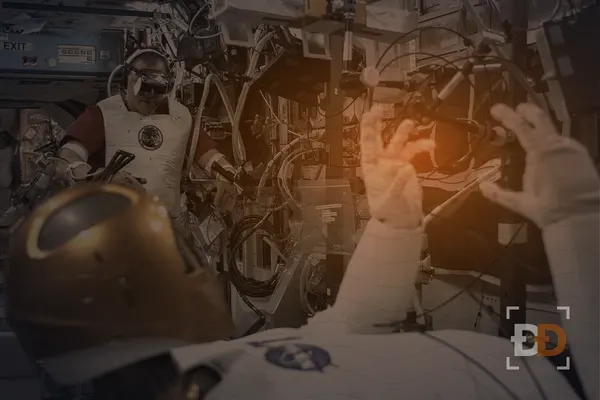
Robots learn many of their skills the way an apprentice does: by watching a person do the task, many times over. A robot that folds towels or unloads a dishwasher was trained on thousands of recordings of people doing exactly that. Robot training jobs are the jobs that produce those recordings, check them and test the result.
Most of this work needs no engineering background. Robotics companies hire people who are careful, patient and reliable, and train them on the job.
Robots learn from recordings of people doing the task
The main method behind today’s robot training is called imitation learning. A person shows the robot how to do a task, the robot’s cameras and sensors record every movement, and a model learns to copy what it saw. The more varied the recordings, the better the robot handles a kitchen or a warehouse it has not seen before.
That creates demand for three things, and each one is a kind of job: people to perform the tasks, people to label what the recordings show, and people to test the robots in the real world.
There are five kinds of robot training work
Teleoperation
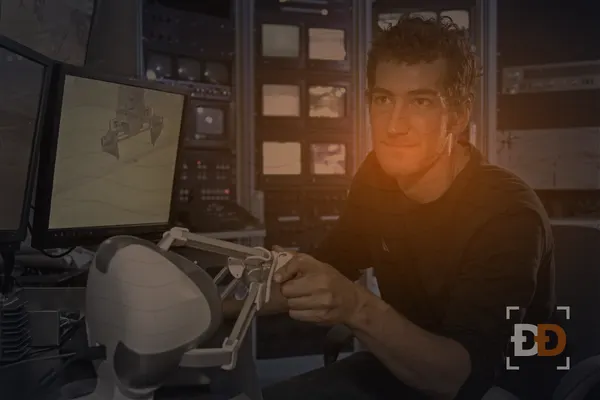
A teleoperator steers a robot through a task from a distance, with a VR headset, a pair of hand controllers or a console. The robot copies your movements as you pick up a box, open a drawer or fold a shirt, and every run is recorded as training data. Most teleoperation jobs are on-site, at the company’s lab or warehouse, in shifts. A few let you operate robots from home over the internet, and teleoperation from home shows how to tell them apart.
Gaming experience helps, and so does comfort spending hours in a headset. Robot teleoperation jobs lists the open ones.
Data collection in a lab
Data collectors run robots through set tasks in a lab or a mock home: they set up the scene, start the run, watch the robot, reset everything and log what happened. The work is repetitive by design, since the robot needs the same task done many times with small changes. See robotics data collection jobs.
Filming tasks at home
Some companies pay people to film themselves doing chores at home, such as cooking, washing dishes or folding laundry, with a phone or a head-mounted camera. This first-person footage shows a robot what the task looks like through human eyes. It is the most common kind of robot training work you can do from home, and the platforms that run it often send you the camera. See robot training video jobs from home.
Annotation
Annotators label what the robot’s sensors captured: the objects in a camera frame, the shapes in a lidar scan, the moment a grasp starts and ends. The work happens on a computer in the employer’s labeling tool and is often remote. Entry roles train you on the tool. See robotics annotation jobs.
Autonomous vehicle testing
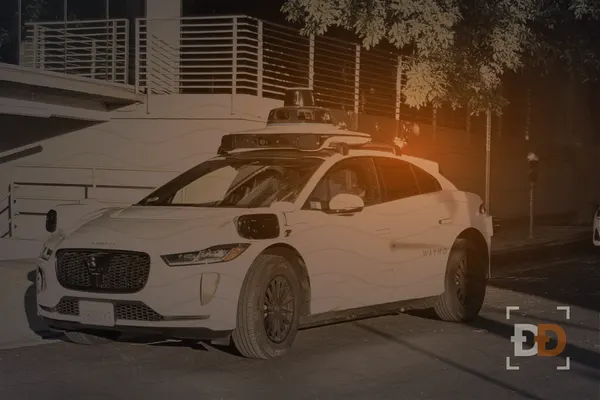
Test drivers sit behind the wheel of a self-driving car or truck, watch the road and take control when the software makes a mistake. After each drive, they write up what happened. These jobs are on-site in the cities where the company tests its vehicles, and they ask for a clean driving record, plus a CDL for trucks. See autonomous vehicle test driver jobs.
Most of the work needs patience more than a robotics degree
Employers in this field hire for reliability. The questions they ask in interviews come down to a few things:
- Can you keep a regular shift and turn up on time, week after week?
- Can you repeat a task carefully the hundredth time, the same way you did it the first time?
- Can you follow detailed instructions and notice when something went wrong?
- Can you write a clear, short note about what happened in a run?
Experience that shows these traits counts: warehouse and logistics work, lab assistant roles, quality control, retail stock work, and anything with a checklist and a log. For teleoperation, time in VR or competitive gaming is a plus. Engineering and research roles at the same companies do ask for degrees, and their titles make that plain.
Expect repetition, physical strain and strict privacy rules
Robot training work is easy to start and harder to keep up.
The tasks repeat. A data collection shift can be the same pick-and-place task for hours, with small changes to where the objects sit. Teleoperation in a VR headset can cause eye strain and motion sickness in the first weeks, and most employers schedule breaks for that reason. Filming chores at home means doing the chore the way the instructions say, at the pace they say, which is slower and more deliberate than doing it for yourself.
Privacy rules are strict. At-home filming projects ask you to keep faces, mail, screens and family members out of the shot, and footage that breaks the rules is rejected unpaid. On-site jobs often ask you to sign a confidentiality agreement about the robots you work with.
Pay depends on whether you work in shifts or per task
On-site roles in teleoperation, data collection and vehicle testing are usually paid by the hour, as employees or through a staffing agency, with set shifts. At-home filming is usually contract work, paid per approved video or by the hour of footage, and you choose when to film. Annotation can be either.
How to apply for a robot training job
- Pick the kind of work that fits your situation. If you can’t commute to a lab, start with filming at home or annotation.
- Read the requirements line by line. On-site roles often name a city, a shift pattern and a physical requirement, such as standing for long periods or lifting a set weight.
- Write a short resume that leads with reliability: shifts you held, checklists you followed, equipment you operated, logs you kept.
- Expect a background check for on-site work and a driving record check for vehicle testing.
- For at-home filming, expect a test video before your first paid task. Follow the instructions exactly, since most rejections come from skipped steps.
Legitimate robotics companies don’t charge you for training, cameras or sign-up. If a recruiter asks you to pay for equipment and claim it back later, walk away.