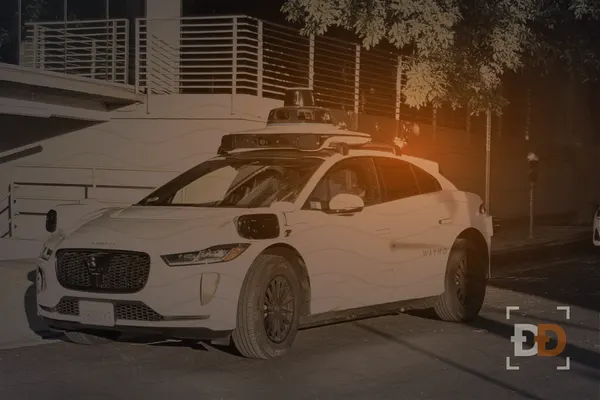
To become a self-driving car test driver, you need a clean driving record, a valid license and the patience to watch the road for hours while software does the driving. Companies testing autonomous vehicles hire test drivers to sit behind the wheel, take control when the car makes a mistake and report what happened.
Most test driver jobs need no engineering background and no experience with self-driving cars. The companies train you on the vehicle and the procedure, and they hire on how safely you drive. Test driving is one of the five kinds of work in how robot training jobs work; here it is from the first screen to the first shift.
A clean driving record is the first screen
Your motor vehicle record decides whether you get an interview. Companies pull it with your permission before they look closely at anything else, and they look for moving violations, at-fault accidents and any conviction for driving under the influence. The exact limits differ by company and by state, and few postings publish them, so read your own record before you apply. Most state DMVs let you order a copy online.
States set rules here too. California, for one, makes companies that test with a driver certify to the DMV that each driver has a good record and has finished the company’s training. Other states that allow testing have their own permits, and the company handles the paperwork.
The rest of the screen is the usual for a driving job:
- A valid driver’s license, often held for several years. Many programs also set a minimum age, often for insurance reasons, and say it in the post.
- A background check and a drug test.
- A road test with a company trainer, in an ordinary car before you touch a test vehicle.
- The right to work in the country where the testing happens.
Test driver jobs are on-site in a test city
You can’t test a car from home. Companies run their test fleets in a handful of cities and regions, and each test driver job names the place. If you don’t live there, you either move or look at the remote roles in the last section.
Most roles run in full-day shifts, and many programs cover evenings, nights and weekends, since the cars have to learn darkness, rain and rush hour as well as quiet afternoons. Ask which shifts new drivers get before you accept, because the newest drivers often start on the least popular hours.
Some programs hire drivers directly, and many hire through a staffing agency, often on a contract that can turn into a direct job later. The post usually says which.
The job is watching more than driving
Most of a shift, the software drives and you watch. Your hands sit near the wheel, your foot near the brake, and your eyes stay on the road and the screens that show what the car thinks it sees. When the car does something wrong or unsafe, you take over right away, and that takeover is the moment the job exists for.
Staying alert while the car drives itself is harder than driving. Companies know this, so most of them track where drivers look with an in-cab camera, ban phones entirely and schedule breaks every few hours. Some put two people in the car: one behind the wheel, and one in the passenger seat watching the software and taking notes.
After each takeover, and at the end of the shift, you log what happened: where you were, what the car did, why you took over and what you think it should have done. A clear log is how engineers find the bug, so the write-up counts as much as the takeover. Short, plain sentences work best, with the time and the place.
Training covers the car, the takeover and the log
New test drivers spend their first weeks in training before they drive in traffic, and the length varies by company. Training usually covers:
- How the self-driving system works, and how to read the screens that show what it sees and plans.
- The takeover procedure, practiced again and again on a closed course until it is automatic.
- The rules for each kind of test, such as which roads, which speeds and when to refuse a route.
- The logging tool and what a useful write-up looks like.
- What to do after a crash or a near miss, including who to call first.
Most programs end training with a test drive and a written check, and some ride along with new drivers for their first public-road shifts.
Safety drivers, vehicle operators and fleet roles are different jobs
Job titles in this field vary, and a few names cover most of the work:
| Title | What you do | Where |
|---|---|---|
| Safety driver, test driver, vehicle operator | Sit behind the wheel, take over when needed and log each drive | In the car, in a test city |
| Test specialist, data specialist | Ride as the second person, watch the software and write detailed notes | In the car, in a test city |
| Truck test driver | The same job in a self-driving truck, often on highway routes | In the truck, on freight corridors |
| Fleet attendant, fleet technician | Clean, charge, check and repair the cars between runs | At the depot |
| Remote assistance operator | Answer when a driverless car asks for help and suggest a path, without steering | In an operations center, sometimes remote |
Truck programs ask for more. You need a commercial driver’s license, usually Class A, and a DOT medical certificate, and as a CDL driver you fall under the federal drug and alcohol testing rules, including random tests. Truck roles name the CDL in the job title, so they are easy to spot under autonomous vehicle test driver jobs.
Drivers with the right habits move up
A first test driver job can lead to senior driver, trainer, test lead or operations roles, and some drivers move into data or quality roles that turn logs into reports for engineers. The drivers who move up are the ones whose logs engineers can act on. Habits that help from the first week:
- Write each log the same way, with the time, the place and what you saw before you took over.
- Ask what happened to the cases you reported. Engineers often like to tell you, and you learn what they need.
- Keep your own record clean off the clock too. A ticket in your own car can cost the job.
How to apply for a self-driving car test driver job
- Order your driving record and read it before you apply.
- Check autonomous vehicle test driver jobs for the cities you can work in, and read each role’s shift pattern and license requirement.
- Lead your resume with your driving history: years licensed, professional driving, a clean record and any defensive driving course.
- Expect a background check, a drug test and a road test before an offer.
- If you can’t move to a test city, look at robotics annotation jobs, where people label the camera and lidar data that test cars record, or at robot teleoperation from home.